Lenormand Decks
A library of the major Lenormand decks — modern art-led decks, traditional German classics, and the historical foundations of the system. Tap any deck for a full review, notes on the artwork, and where to find it.
Modern Decks
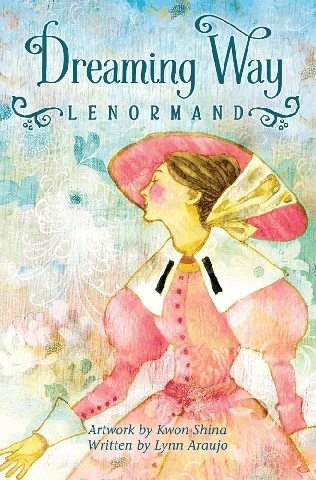
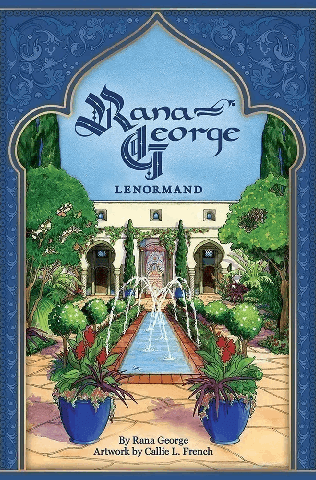
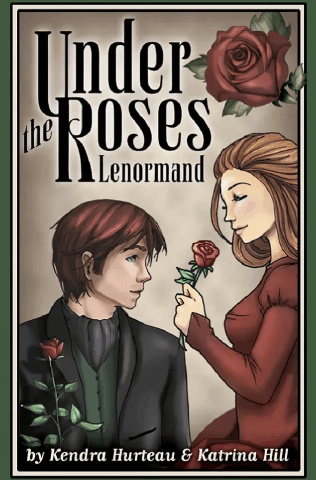
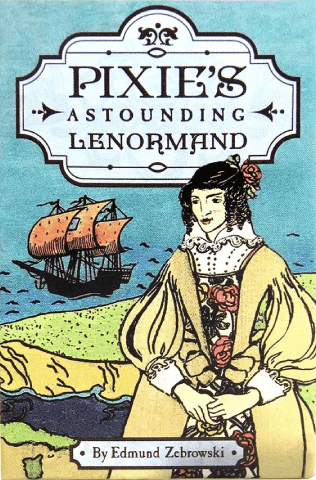
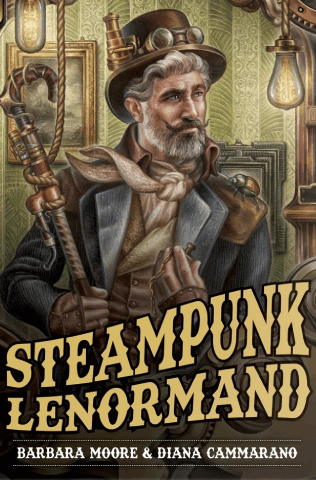
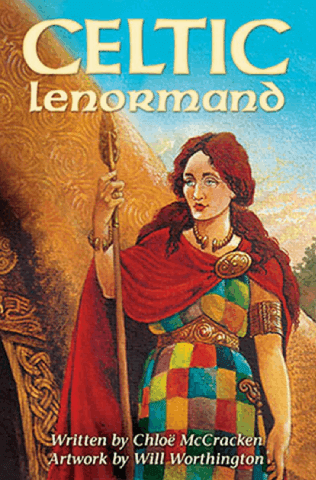
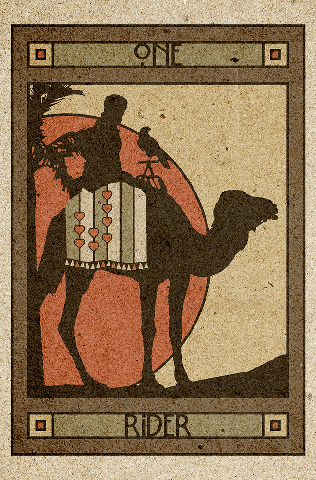
Traditional Decks
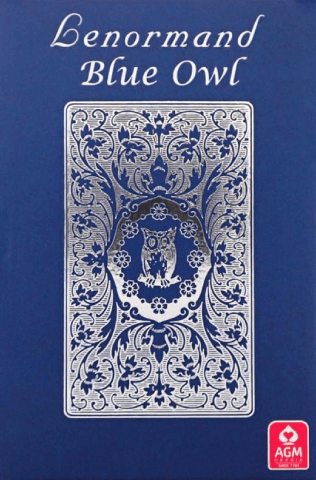
Choosing Your First Lenormand Deck
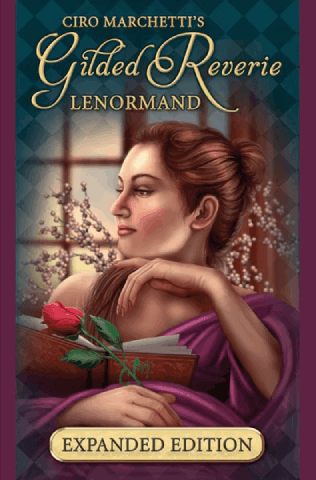
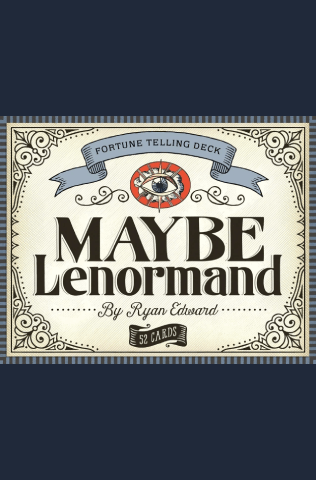
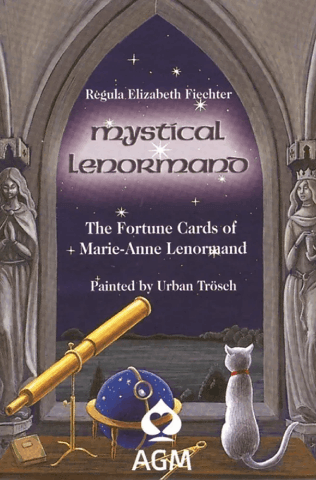
The Lenormand deck market splits along a clear line. On one side: traditional folk-art decks like the Blue Owl and the Piatnik Lenormand — small, plain symbols on flat backgrounds, the working-reader's standard for over a century. On the other side: modern art-led decks like the Gilded Reverie, the Maybe Lenormand, and the Mystical Lenormand — full painted scenes with rich atmosphere and contemporary visual sensibility.
Both sides teach the same 36-card system. The choice is entirely aesthetic. Pick the deck whose imagery you'd actually want to look at every day.
Modern Lenormand Decks
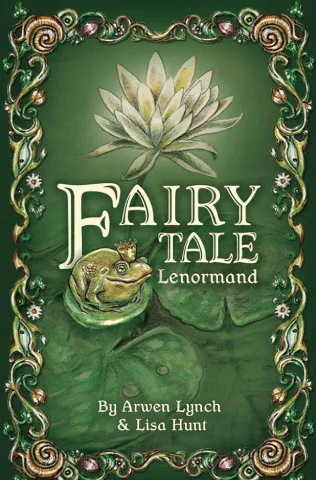
The modern era of art-led Lenormand decks really begins around 2013 with the publication of the Gilded Reverie by Ciro Marchetti. Before that, almost every Lenormand on the market was a folk-art reprint of a 19th-century design. Marchetti's deck broke with the tradition by treating each of the 36 symbols as a full painted scene, and the wave of decks that followed — Maybe, Mystical, Fairy Tale, Dreaming Way, Under the Roses, Rana George, and others — collectively define the contemporary look of Lenormand.
Modern decks tend to be larger than traditional ones (closer to tarot card size), with painted artwork given proper space. They're popular first decks for readers coming from tarot, and the artwork makes the symbols easier for new readers to absorb.
Traditional Lenormand Decks
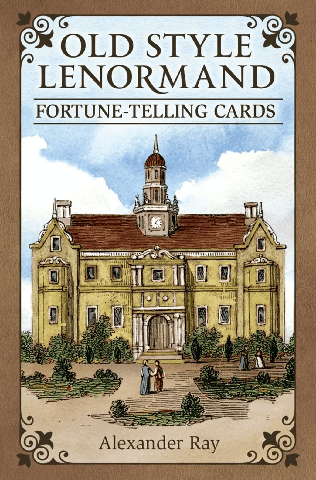
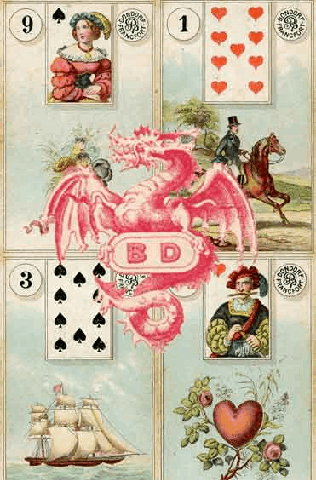
The traditional decks descend from a single visual foundation: the Dondorf Lenormand of c. 1890, a chromolithographic deck published in Frankfurt that fixed the canonical imagery of the system for the next century. The Blue Owl, the Piatnik, the Old Style, and most other working traditional decks are essentially Dondorf descendants — each with its own slight visual character but the same underlying iconography.
For readers who want the system as it was actually used by working readers in 19th-century Europe, traditional decks remain the strongest choice. They're also the most affordable — long publication runs and major publishers keep prices low.
The Origin: Game of Hope
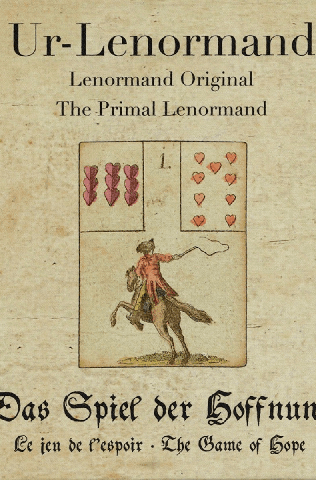
The actual origin of the Lenormand deck isn't a Lenormand at all — it's a 1799 German parlour game called Das Spiel der Hoffnung (the Game of Hope), designed by Johann Kaspar Hechtel. The 36 numbered cards we still use today were originally a board game; the fortune-telling tradition came later, in the 1840s, when German printers repurposed the cards and named them after the famous French cartomancer Mlle Lenormand. Read the full story in What Is Lenormand? or browse our page on the Game of Hope.