Lenormand Card Library
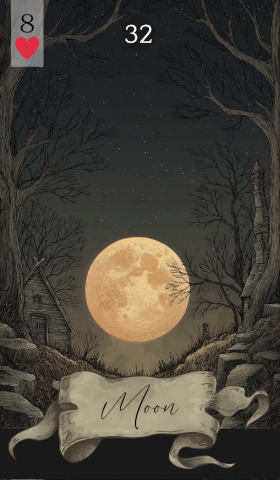
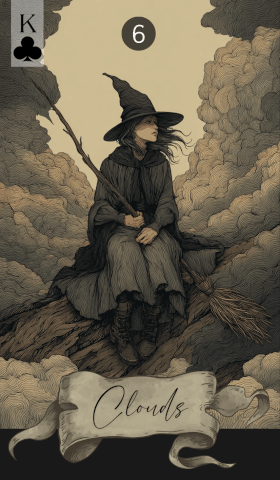
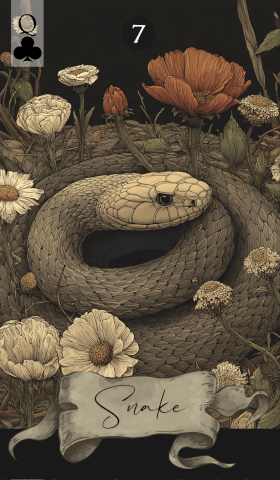
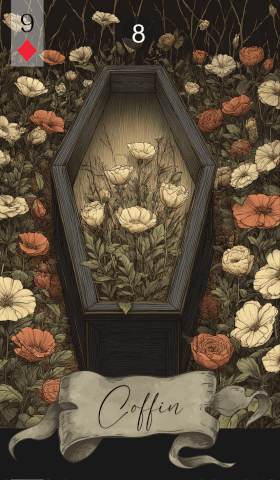
Every card in the 36-card Lenormand deck — numbered, named, and paired with its playing card. Tap any card for its full meaning, and what it reveals in love, work, and as advice.
Light Cards
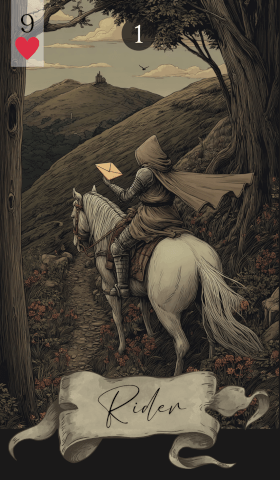
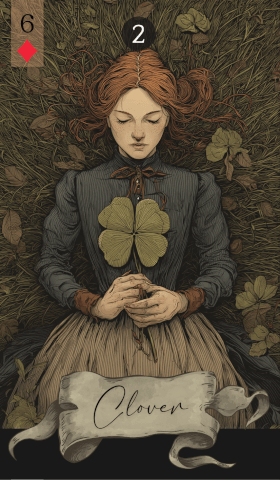
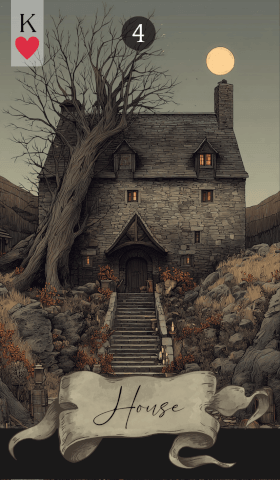
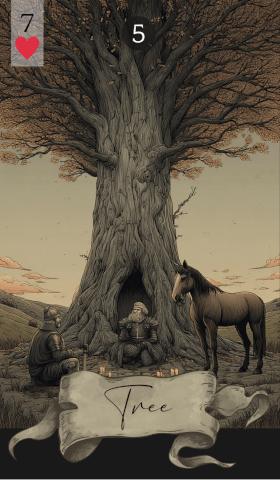
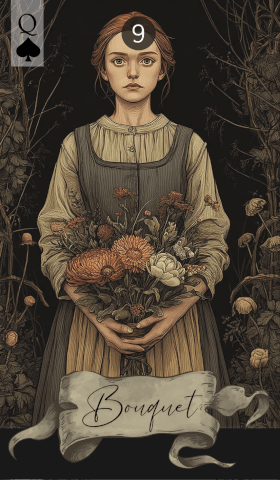
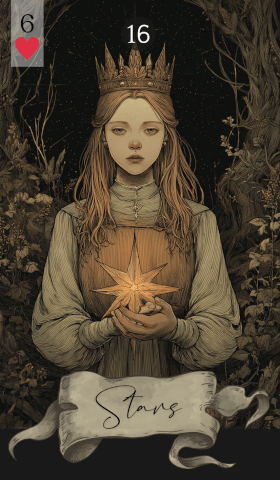
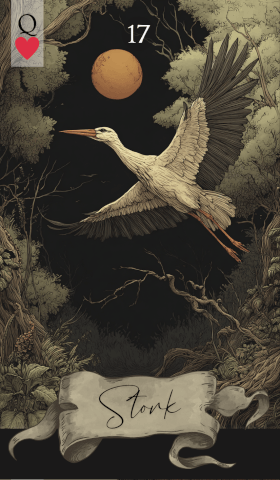
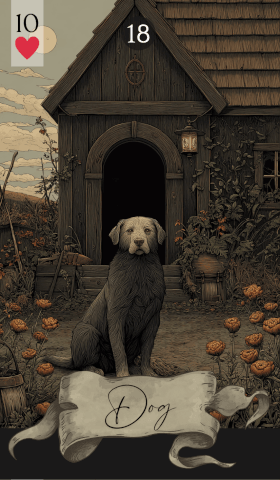
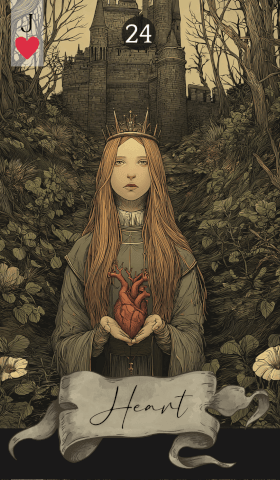
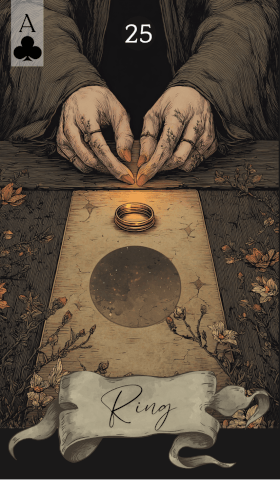
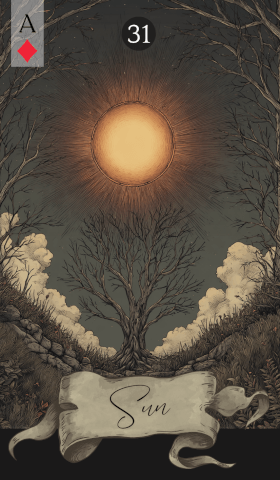
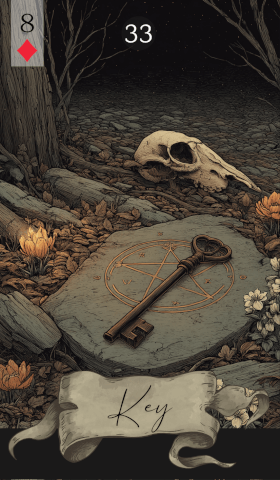
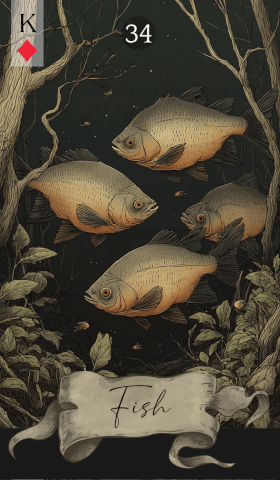
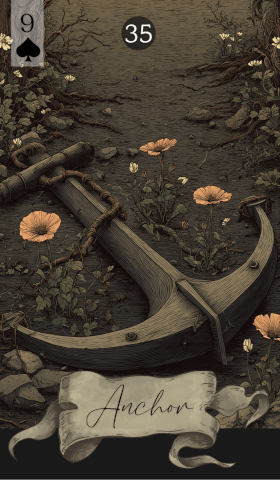
Neutral Cards
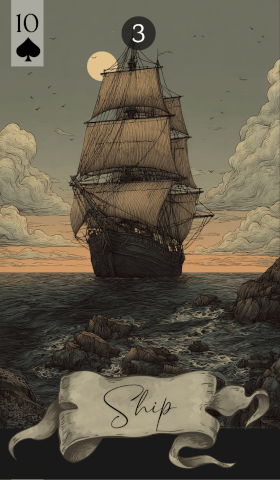
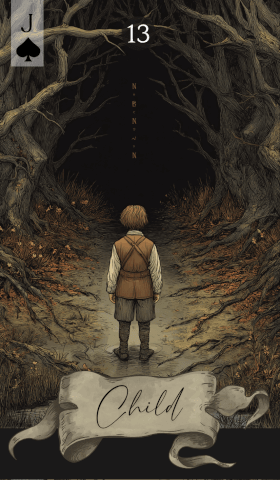
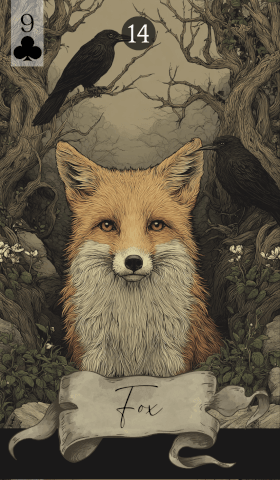

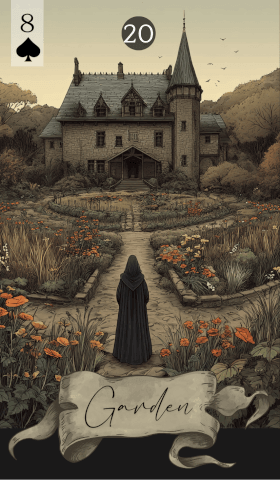
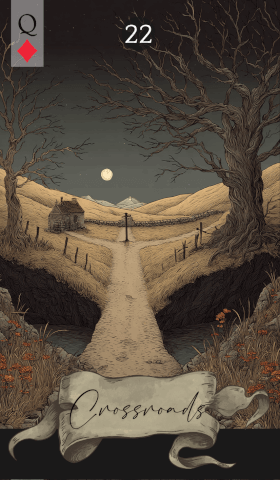
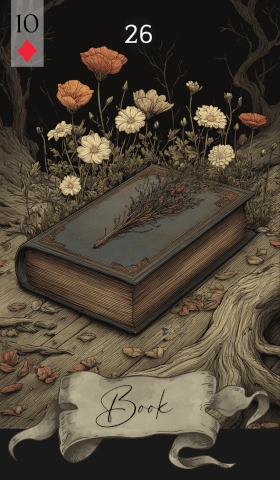
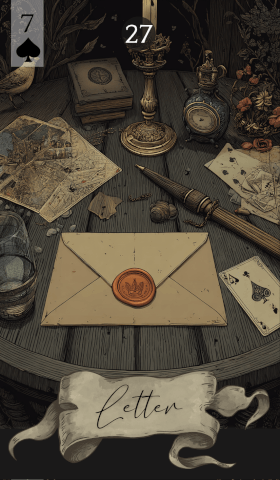
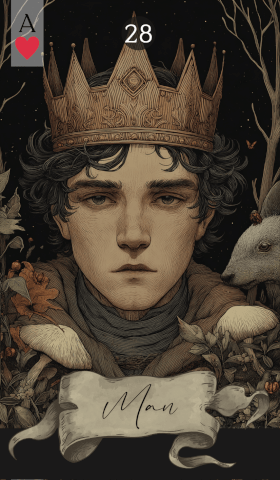
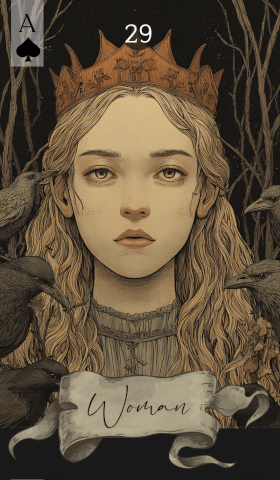
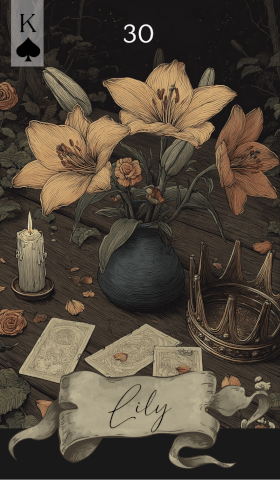
Shadow Cards
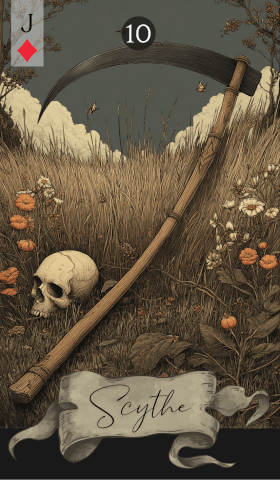
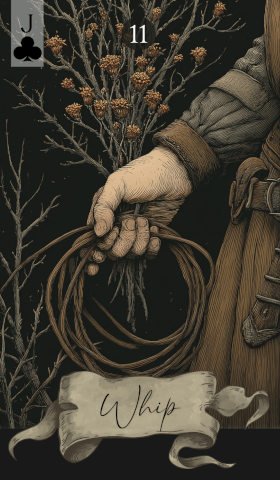
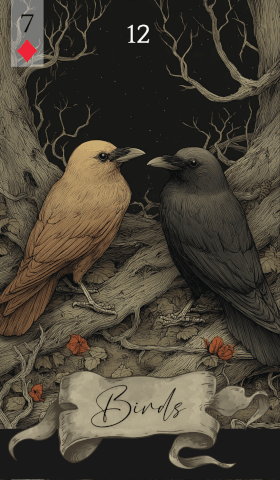
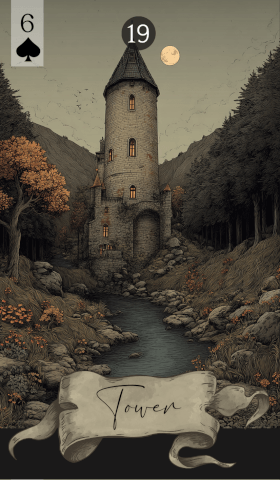
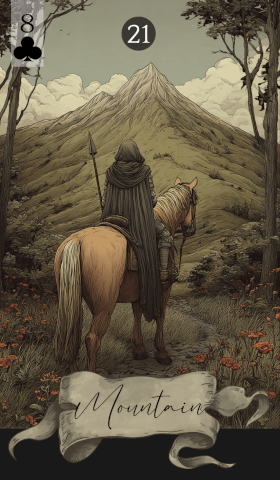
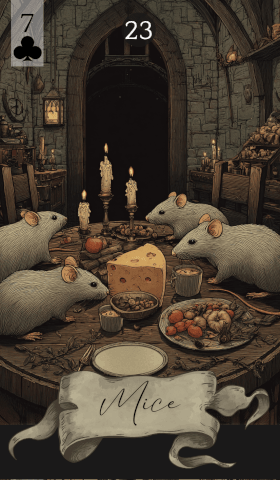
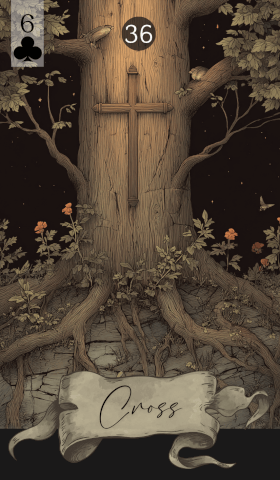
What Are Lenormand Cards?
The Lenormand deck is a 36-card system named after Marie Anne Lenormand, the French cartomancer to Napoleon's court in the early 1800s. Unlike tarot, with its 78 cards and layered archetypes, Lenormand cards are small, plain, and direct — each one a single object or scene, each one with a tight, practical meaning. The cards above are the full Petit Lenormand, the version used by almost every reader today.
The Structure of the 36 Cards
Every Lenormand card has three things attached to it: a number from 1 to 36, a name (The Rider, The Clover, The Ship, and so on), and a playing-card association — a single card from a regular deck. The numbers are traditional and fixed, and the playing-card insets allow a deck of ordinary cards to be used as a Lenormand in a pinch. There is no major or minor arcana, no upright or reversed; each of the 36 cards stands on its own, with a clear meaning that doesn't flip. The grouping above into light, neutral, and shadow is a soft convention to give the deck shape — most readers think of certain cards as warm, certain ones as cool, and the rest as carrying the weather around them.
How to Read a Lenormand Card
Lenormand is read as a sentence, not as a stack of separate meanings. A single card answers a single question — but most spreads draw two, three, five, or more cards in a row, and the power of the system is in how those cards combine. Heart + Letter isn't "love" then "letter" — it's a love letter, an affectionate message. Every card page on this site lists how its card pairs with each of the other 35, so you can read combinations as you go. To draw cards instead of looking one up, try the 3-card spread or any of the larger layouts.