Free Lenormand Reading Online
A free Lenormand reading is one click away. Pick a spread to explore a question, lay the full Grand Tableau, or look up any card's meaning from the 36-card Petit Lenormand deck. Guided readings, no sign-up, no email.
Choose a Spread
Seven Lenormand layouts — from a quick three-card line to the full 36-card Grand Tableau. Pick whichever matches the shape of your question.
3-Card Spread
The everyday Lenormand line — three cards read as a single sentence: past, present, future.
Try this spread →5-Card Spread
Past, recent past, present, near future, outcome — a fuller line that traces a question through time.
Try this spread →Love Spread
A 5-card reading on your love life as a whole — what you bring, what blocks you, what's approaching.
Try this spread →Relationship Spread
A 5-card reading for the energy between you and them — your side, their side, the bond, the obstacle, and where it leads.
Try this spread →7-Card Spread
Seven cards balancing time, influence and advice — wider than the line, with room for the cards' counsel.
Try this spread →9-Card Spread
Nine cards in a 3×3 grid: time across the rows, self and others across the columns, the heart of the matter at the centre.
Try this spread →Grand Tableau
The full deck, all 36 cards laid in their houses — Lenormand's most comprehensive reading.
Try this spread →The 36 Cards
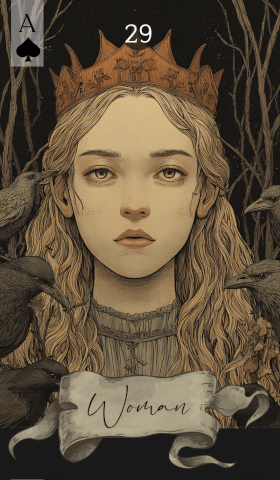
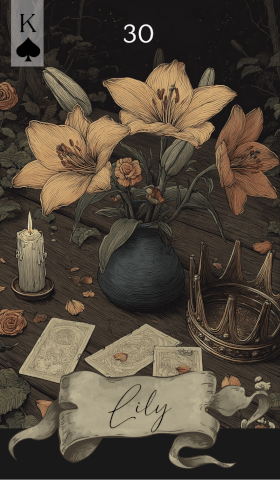
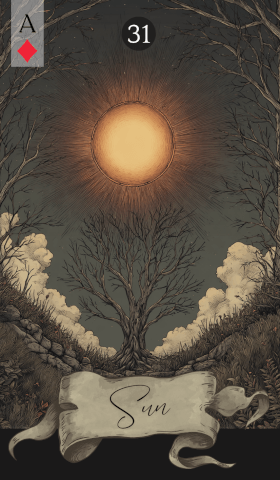
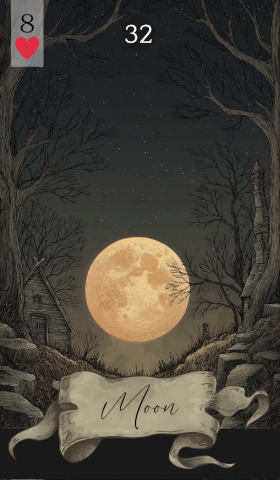
The complete Petit Lenormand deck, in its traditional order from The Rider to The Cross. Tap any card to read its full meaning.
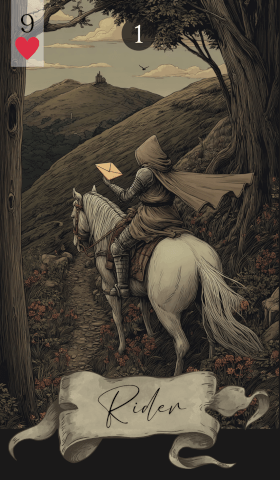
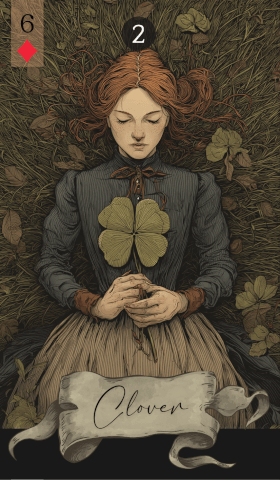
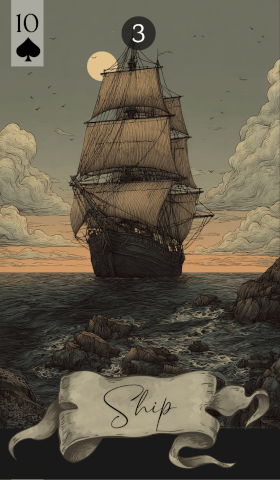
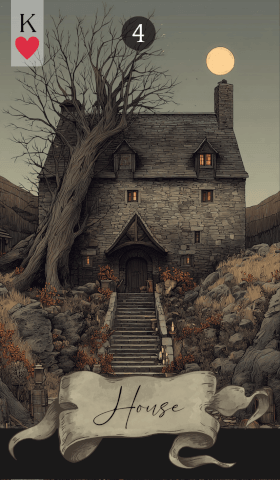
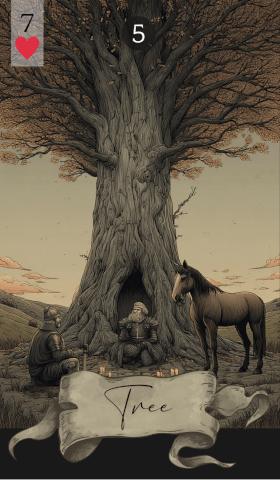
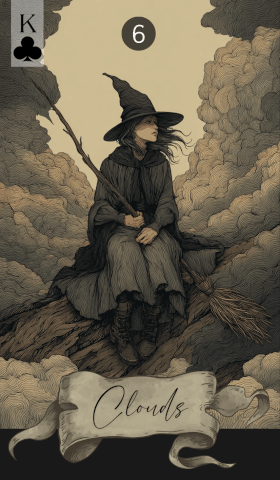
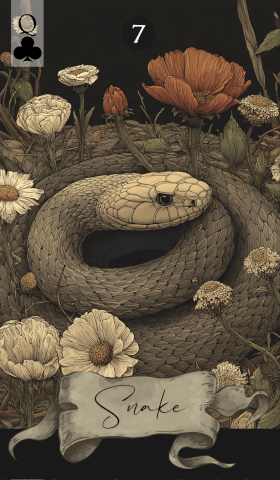
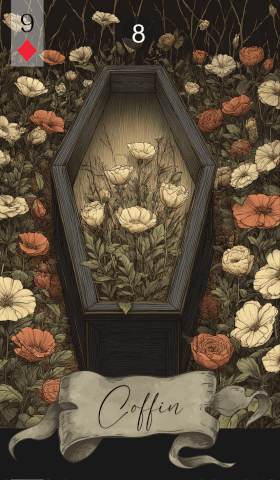
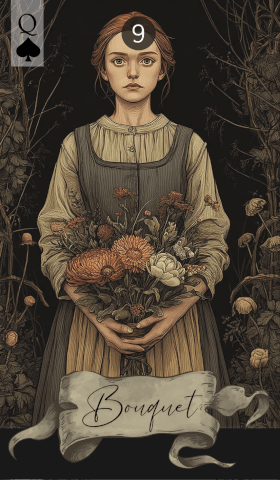
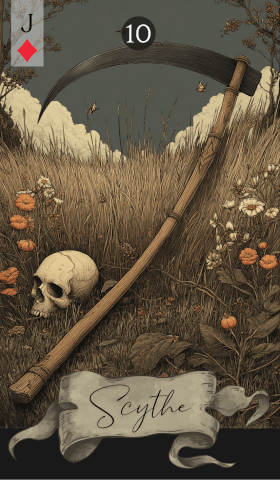
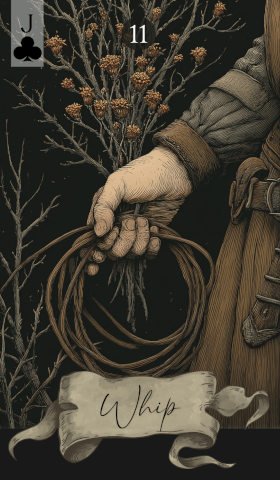
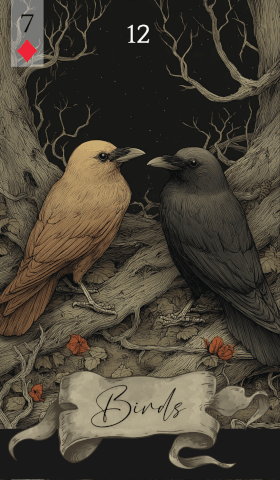
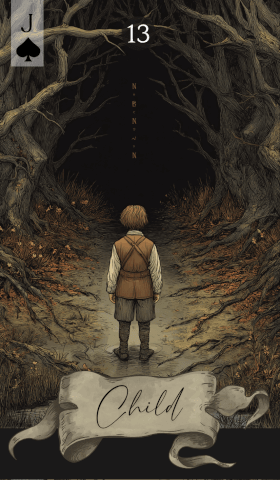
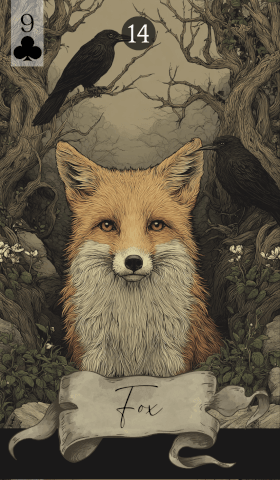
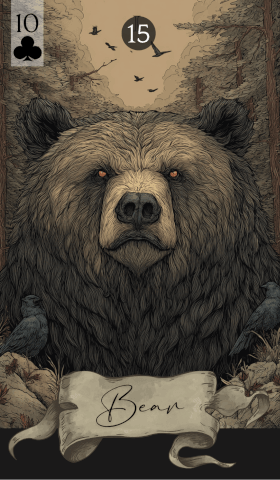
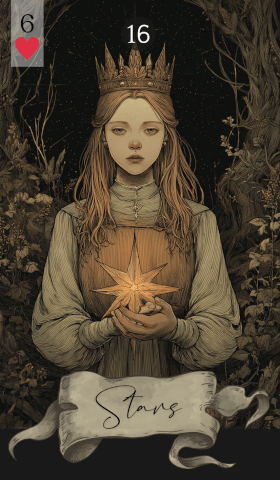
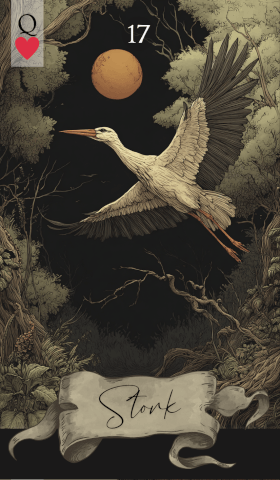
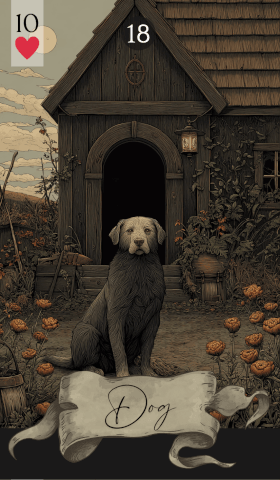
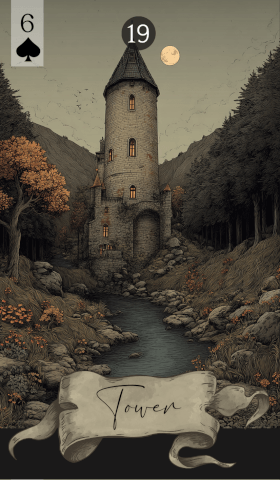
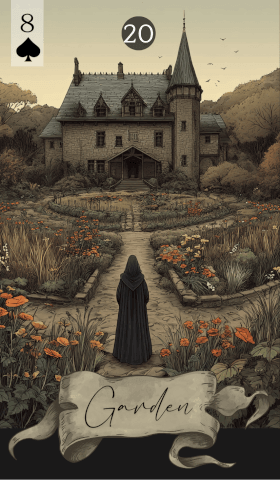
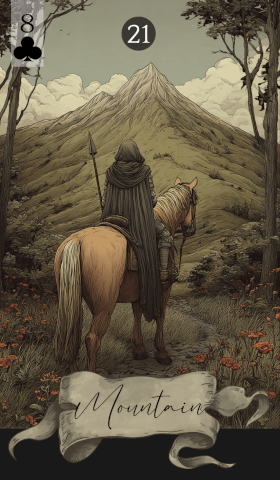
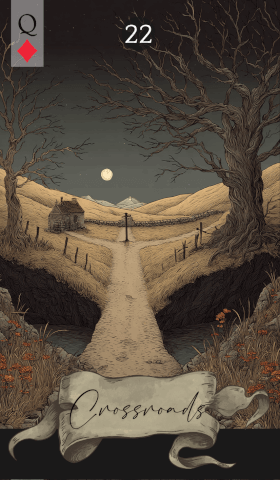
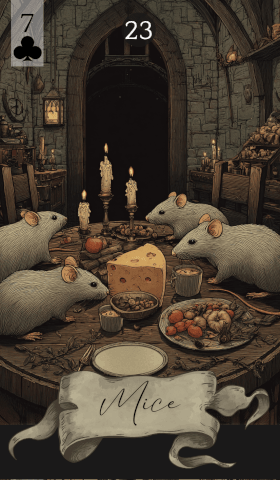
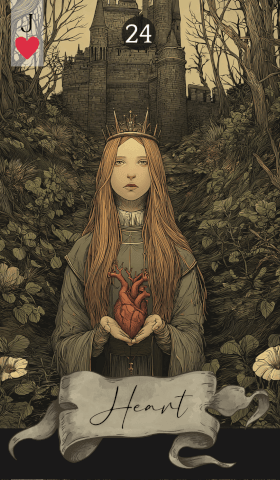
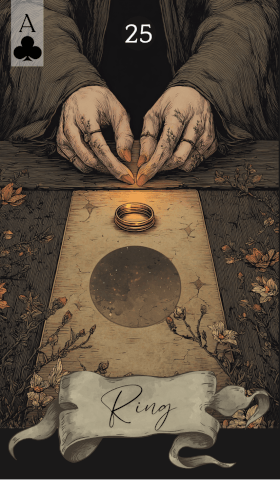
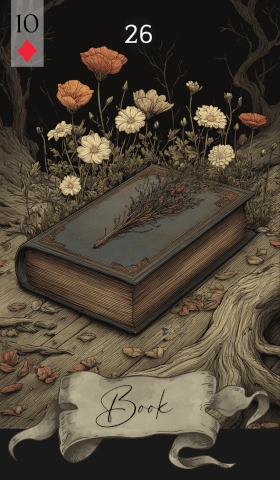
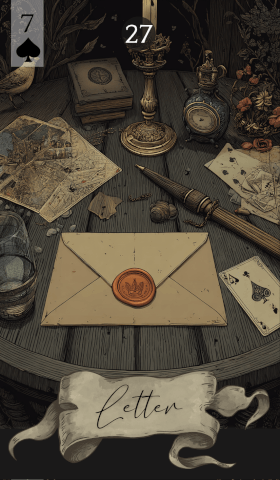
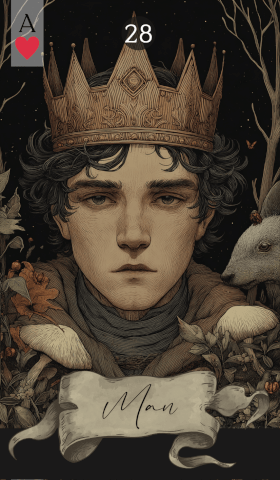
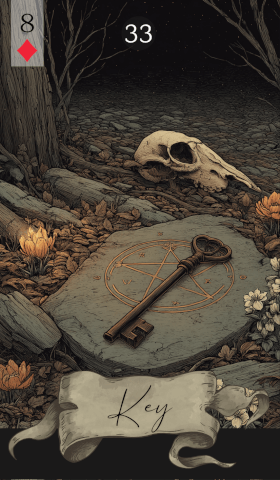
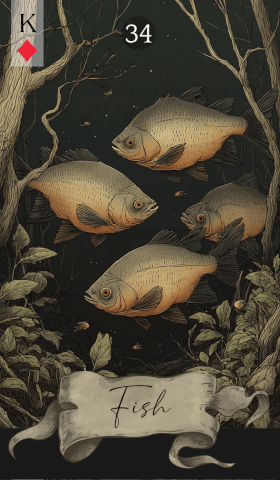
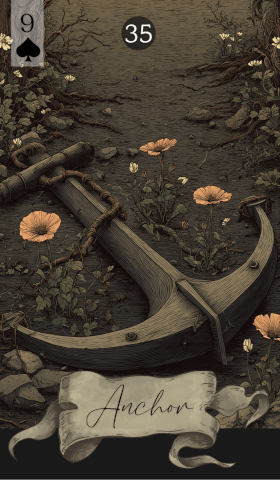
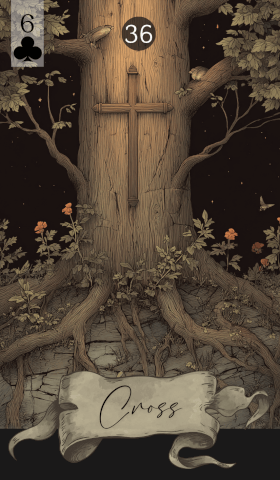
Pick a Deck
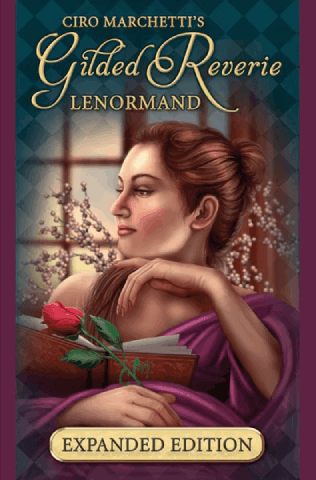
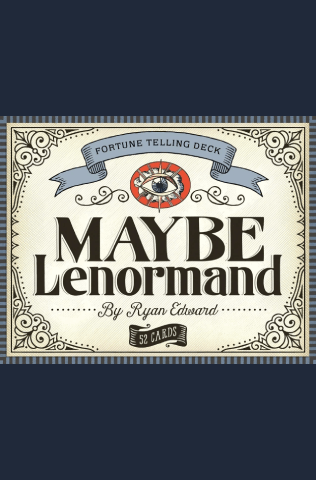
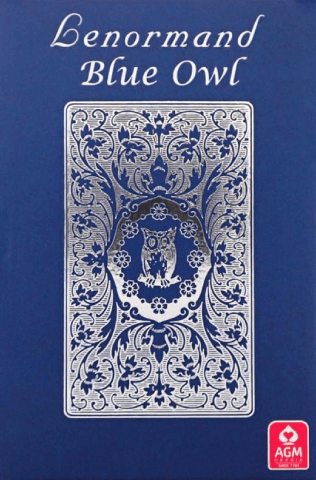
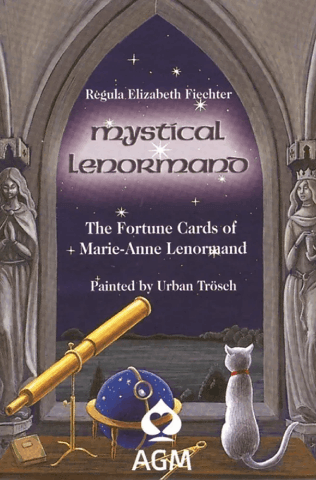
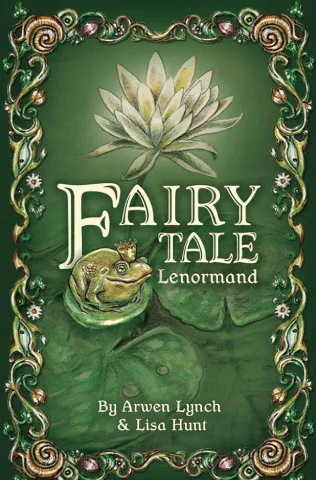
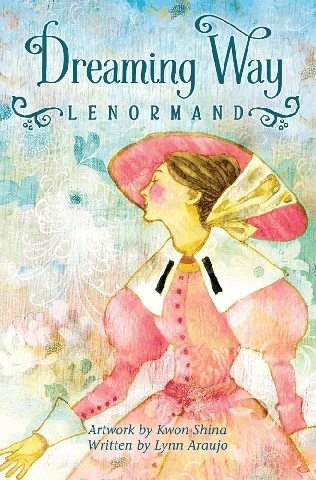
Modern art-led decks, traditional German classics, and historical foundations — every major Lenormand deck reviewed and ready to browse.
Learn Lenormand
Long-form guides for learning, practising, and deepening Lenormand — from the basics to the houses of the Grand Tableau.
How to Read Lenormand
A full walkthrough of reading Lenormand from drawn cards to interpretation, with a worked 3-card example.
Read guide →What Is Lenormand?
What Lenormand is, where it came from (Marie Anne Lenormand and the 1799 Game of Hope), and how it differs from tarot.
Read guide →Lenormand for Beginners
A first-month practice plan — pick your first deck, learn the 36 keywords, and build to 3-card lines.
Read guide →How to Read Card Combinations
Combinations are the heart of Lenormand. Noun + adjective patterns, ordering, and ten worked-example pairings.
Read guide →Lenormand vs Tarot
Two systems compared honestly: card count, depth, reading style, reversals, tone, and which to learn first.
Read guide →How Many Cards in a Lenormand Deck?
The short answer is 36 — with the full list, the historical reason for the number, and how it compares to tarot.
Read guide →About Lenormand
Lenormand is a 36-card system named after Marie Anne Lenormand, the early-1800s French cartomancer to Napoleon's court. Unlike tarot, with its 78 cards and layered archetypes, Lenormand cards are small, plain, and direct — each one a single object or scene, each one with a tight, practical meaning.
The deck is read as a sentence, not as a stack of separate meanings. Heart + Letter is not "love" then "letter" — it's a love letter, an affectionate message. Most readings draw two, three, five, or more cards in a row, and the power of the system is in how those cards combine.
There is no upright or reversed in Lenormand, and no major or minor arcana — each of the 36 cards stands on its own, and every card on this site lists how it pairs with each of the other 35. Whether you're laying a quick three-card line or the full 36-card Grand Tableau, the cards meet you where you are.